Independent publications are vital cultural artifacts, as they embody our society’s self-representation and shape the zeitgeist. By elevating obscure narratives into the mainstream, they develop a shared language that bridges the gap between the underground and popular culture.
We believe culture thrives on the tension between the mainstream and the underground. The Colophon Collection focuses on publications that drive this dynamic through art, design, craft, and discourse.
Our mission is to preserve and showcase South Africa’s history of resistance, counterculture, and independent editorial design. The site features original physical copies from our archive, including complete or near-complete runs of Bitterkomix, iJusi, Sheet, Stet, ADA, The Bloody Horse, Heresy, and Jungle Jim
This online selection represents only a fraction of the publications in the Colophon physical archive. We are constantly documenting and adding new acquisitions to build a comprehensive online repository.

Bitterkomix
Bitterkomix

Heresy
Heresy

The Bloody Horse
The Bloody Horse

Kol
Kol

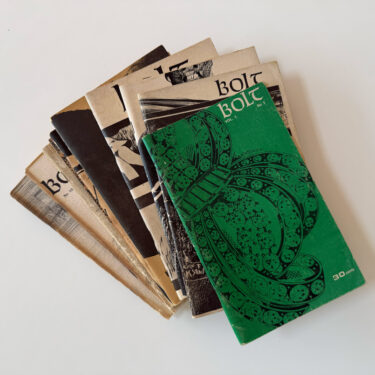
Bolt
Bolt

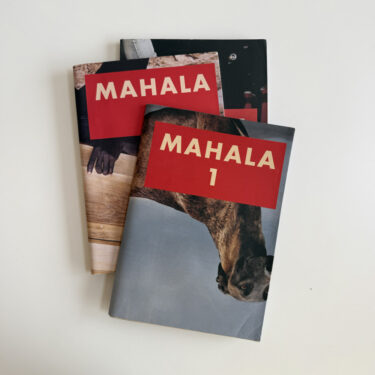
Mahala
Mahala

The Lake
The Lake

Izwi
Izwi

Stet
Stet

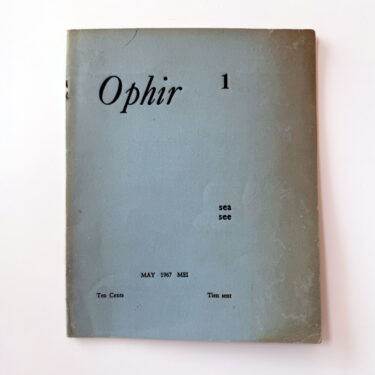
Ophir
Ophir
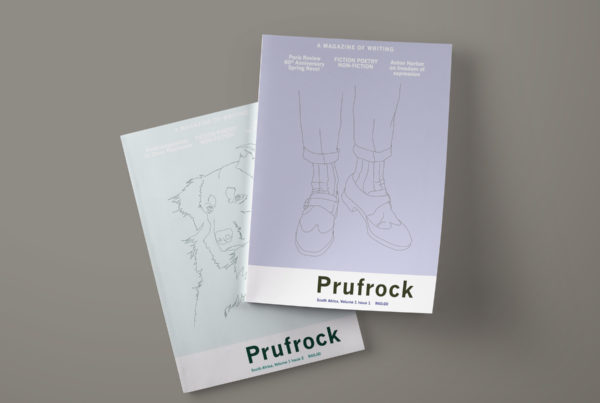
Prufrock
Prufrock

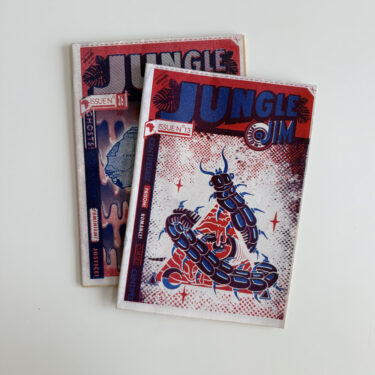
Jungle Jim
Jungle Jim

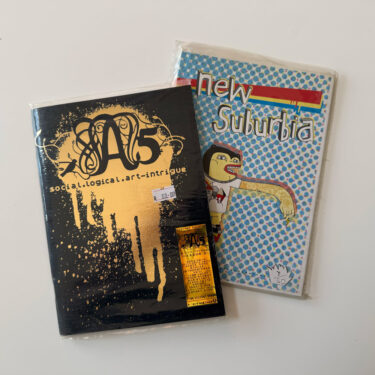
ADA
ADA

Sheet
Sheet

iJusi
iJusi
Archiving 70 Years of South African Independent Print
For over seven decades, South Africa’s true cultural history wasn’t dictated from the top down, it was printed from the underground up. When the state tightened its grip or the mainstream played it safe, local artists, writers, and designers turned to the printing press.
The Colophon Collection preserves this volatile, vital, and vulnerable lineage. Tracing a geographic and political shift from the inland resistance of Johannesburg and Pretoria to the coastal design boom of Cape Town and Durban, the archive maps the evolution of South African counterculture across four defining eras:
The Pioneers & The Garage Presses (1950s–Mid 1970s) Before the digital age, defiance required a hand-press. This era captures the cosmopolitan “Big Bang” of 1950s urban black culture (Drum) and the quiet, stubborn resistance of the earliest “little magazines.” As the Apartheid dragnet closed in, subversive, low-budget garage presses (Ophir, Izwi, The Purple Renoster) emerged to keep experimental, non-racial literature alive.
The State of Emergency (Late 1970s–1980s) Print as a weapon. During the darkest days of institutional censorship, independent magazines became literal battlegrounds. This chapter archives the undisputed engine of Black Consciousness and township reality (Staffrider), alongside the radical, left-wing Afrikaans publications (Stet, Vrye Weekblad) that actively sabotaged the Nationalist narrative from within.
Deconstruction & The New Democracy (1990s–Early 2000s) As the old regime fractured, the cultural landscape exploded. This era is defined by the scorched-earth dismantling of conservative history through grotesque satire (Bitterkomix), the forging of an unapologetically local visual vernacular (iJusi), and the birth of gritty, ad-free DIY zines funded entirely by coastal underground parties (Sheet, Ons Klyntji).
The Millennial Boom & Subcultural Print (2000s–2010s) South African design steps confidently onto the global stage. Institutional weight meets niche street culture as the center of publishing shifts to the coast. Here, print pivots to document borderless Pan-African intellect (Chimurenga), long-form literary revivals (Prufrock), and the highly aestheticized skate, surf, and alternative music scenes (The Lake, Jungle Jim).
Explore the Archive: We believe culture thrives on the tension between the mainstream and the underground. Dive into the physical artifacts that captured the zeitgeist, broke the rules, and designed the future of South Africa.
Help us complete the collection. We are actively seeking missing volumes from Izwi, Ophir, Wurm, Pax, Lantern, Speak, Staffrider, Purple Renoster, and others. If you have leads, contributions, or offers, please don’t hesitate to make contact.
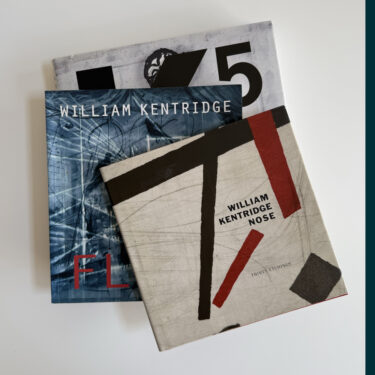
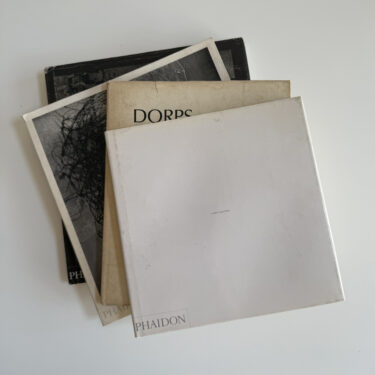

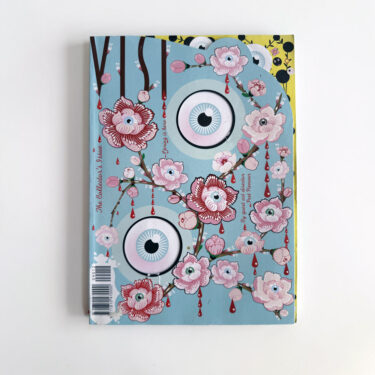

Colophon Store.
To keep growing and help fund the collection, Colophon has a shop that makes any excess items from the archive available to purchase. All profits made from this shop are used to support the collection.